





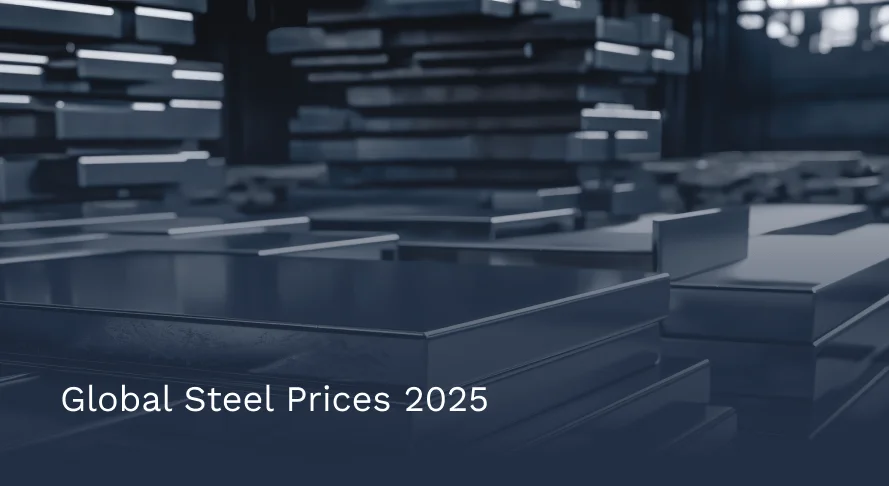
Core Factors That Determine Global Steel Prices in 2025
Many variables contribute to price fluctuations across global steel markets. These variables affect both production costs and availability of finished steel products.
Raw Material Costs as a Primary Driver
Iron Ore Price Volatility
Iron ore remains the most influential raw material in steel production. Any supply disruption in leading exporters like Brazil or Australia causes immediate pressure on global steel prices 2025.
The Role of Coking Coal & Energy Inputs
Coking coal, natural gas, and electricity are essential elements in steelmaking. The increase in global energy prices from 2023 to 2025 significantly raised the cost of steel production.
Global Demand From Key Industries
Construction Sector Demand
Skyscrapers, bridges, industrial buildings, and infrastructure projects account for a large portion of global steel consumption.
Automotive and Manufacturing Industries
Vehicle production, heavy machinery, and industrial equipment manufacturing strongly affect steel demand—making them key contributors to price shifts.
Logistics, Freight Rates, and Transportation Costs
Rising Shipping Costs
Increases in freight charges and limited container availability have contributed to higher global steel prices in 2025.
Port Delays and Customs Regulations
Port congestion and updated customs policies create additional costs and slow down shipments, affecting steel delivery timelines and pricing.
Geopolitical Influence on Steel Pricing
Sanctions and International Trade Restrictions
Trade sanctions on certain countries have reduced global supply, creating higher demand pressure in alternative markets.
Currency Fluctuations
Currency instability influences both import and export prices, directly impacting raw material and finished steel costs.
Conclusion
Understanding the major drivers behind global steel prices 2025 helps companies predict market shifts and make informed purchasing decisions. Tracking these variables is essential for cost management and long-term planning in the steel industry.